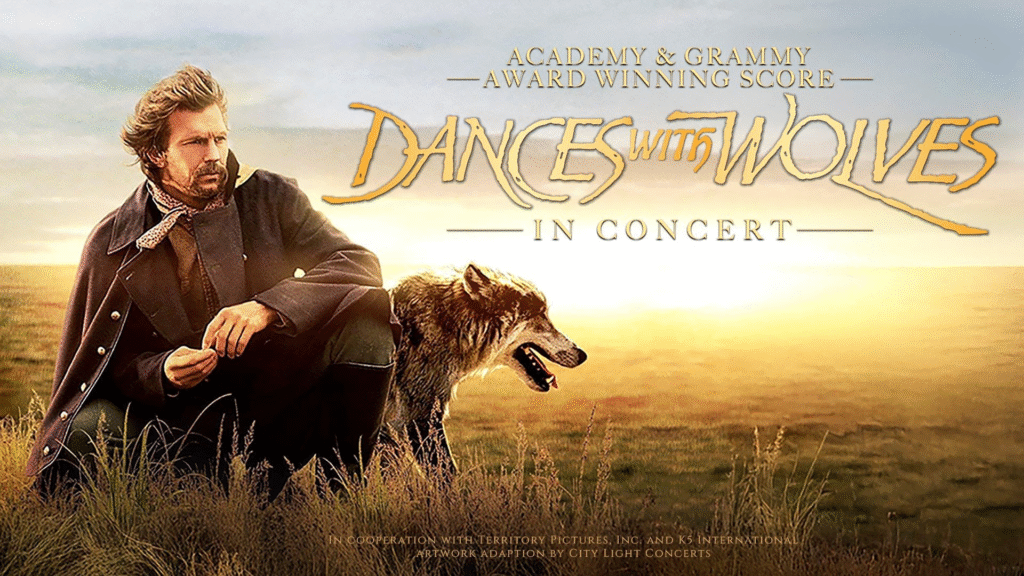
A Legacy Renewed: Exploring “Return to the Plains”
Thirty-five years after the cinematic triumph of Dances with Wolves, a powerful sequel emerges, not as a mere rehash of the past, but as a profound and moving continuation of its narrative. “Return to the Plains” isn’t just a film; it’s a journey through time, identity, and the enduring struggle for belonging.
A Son’s Journey: Navigating Two Worlds
The Weight of Heritage
Decades after Lieutenant John Dunbar found solace among the Lakota, the story shifts its focus to his son, Tȟašína Lúta (“Red Blanket”), powerfully portrayed by a captivating Native American actor. Raised amidst two vastly different cultures, he grapples with a profound sense of displacement, never fully accepted by either world. This internal conflict forms the emotional core of his journey across the vast and changing plains. The late 19th century backdrop – a time of relentless railroad expansion, broken treaties, and a rapidly diminishing wilderness – further intensifies his struggle.
A Call to Action
Summoned home after years of separation, Tȟašína Lúta finds himself thrust into a volatile land dispute. What begins as a diplomatic effort quickly evolves into a profound moral reckoning. He is forced to confront the legacies of both his father and his ancestors, grappling with issues of identity and loyalty in the face of overwhelming challenges.

A Father’s Ghost: Echoes of the Past
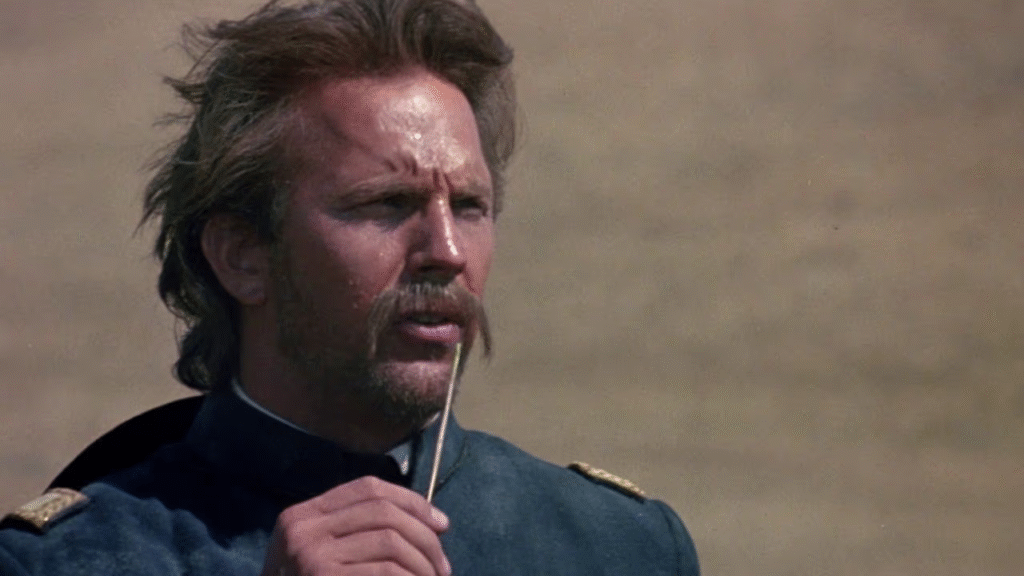
Kevin Costner’s brief but impactful return as an aging, dying Dunbar adds a layer of poignant depth to the narrative. These scenes, brimming with tenderness and a profound sense of regret, serve as powerful bookends to the film. They underscore a stark reality: the unfinished work of one generation falls to the next, leaving a legacy of choices with lasting consequences.
Authenticity and Artistic Vision
A Reverent Depiction
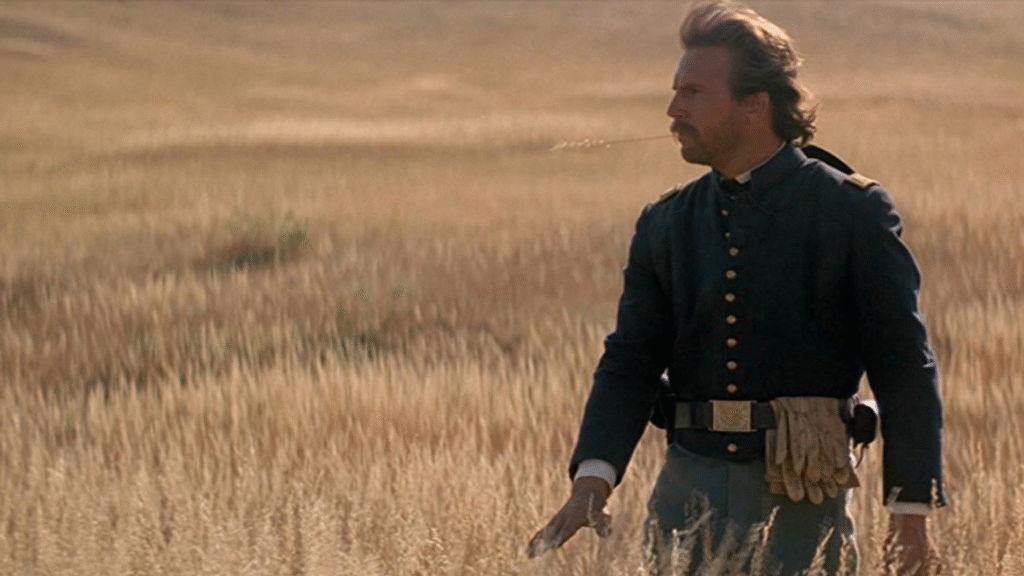
Director and screenwriter John Fusco masterfully crafts a patient and lyrical narrative, unfolding with the measured pace of a long journey through memory and history. The breathtaking cinematography is nothing short of awe-inspiring, capturing the expansive grasslands bathed in golden sunlight, the snow-dusted mountains, and the flickering fires beneath starlit skies. Every shot feels reverent, a testament to the land’s role in shaping the story itself.
Honoring Indigenous Voices
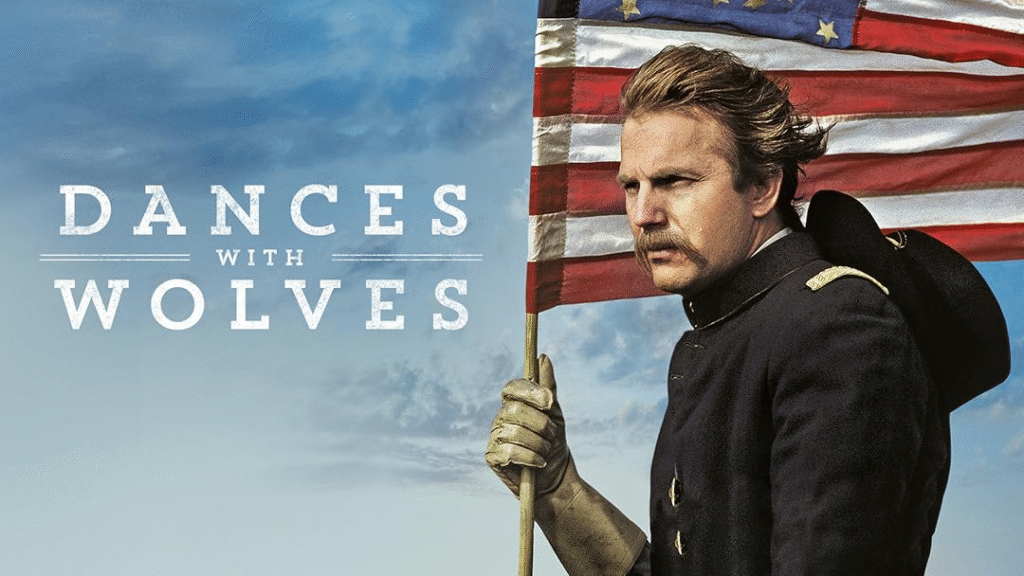
What truly distinguishes “Return to the Plains” is its unwavering commitment to authenticity. Guided by Lakota cultural advisors and featuring extensive use of the Lakota language, the film embraces its Indigenous heart without compromise. Lakota rituals, songs, and ancestral wisdom are organically integrated into the plot, providing a powerful grounding in truth, far removed from Hollywood’s often romanticized portrayals.
Conflict and Choice: A Moral Landscape
The film explores a simmering conflict – not only between settlers and Native tribes, but also within the tribes themselves, between generations struggling to find their place in a rapidly changing world. The narrative avoids simplistic portrayals of heroes and villains, instead offering a nuanced exploration of individuals caught in the currents of a vanishing era. At the heart of the story lies Tȟašína Lúta’s agonizing choice: peace or resistance, surrender or defiance. His decision will shape the future of his people.
Powerful Performances and a Haunting Score
The film boasts powerful and restrained performances across the board. The young lead carries the weight of history with quiet strength, while supporting characters – a spirited Lakota elder and a conflicted settler – add emotional depth and complexity. Costner’s brief appearance anchors the film, tying it seamlessly to its predecessor. The haunting score, reminiscent of the original Dances with Wolves soundtrack, masterfully blends strings and native drums, creating a mournful yet majestic atmosphere.
A Testament to Enduring Spirit
“Return to the Plains” transcends the limitations of a typical sequel. It’s a continuation of spirit, a historical reckoning, and a prayer for the future. In a genre often defined by violence and action, this film dares to slow down, to listen to the wind, to the people, and to the silence that bridges generations.
Rating: 8/10 – A powerful and poetic return to the frontier. The soul of the West lives on, not in conquest, but in the enduring power of memory.