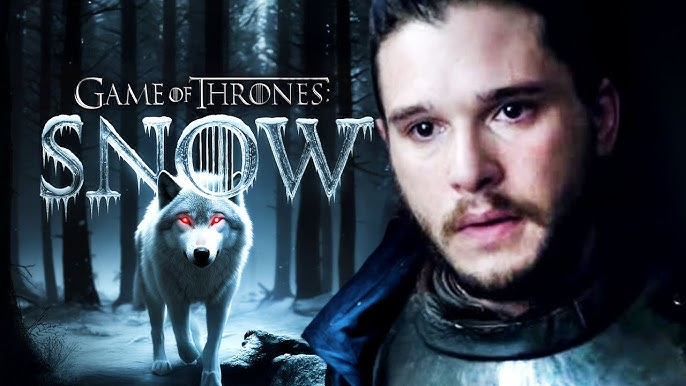
A Frozen Heart: Jon Snow’s Return in “Game of Thrones: Snow”
HBO’s upcoming series, “Game of Thrones: Snow” (2025), promises a departure from the political machinations and epic battles that defined its predecessor. Instead, it offers a chillingly intimate portrait of a broken man grappling with his past in a desolate, unforgiving landscape.
A Landscape of Loss and Isolation
Gone are the opulent halls of Westeros. We find ourselves thrust into a stark, breathtakingly beautiful northern wilderness – a realm of icy plains and snow-covered mountains. This visually stunning setting, rendered with cinematic precision, sets a haunting tone from the very first scene. The Wall, once a symbol of protection, now stands as a poignant reminder of a bygone era, a boundary between memory and myth. The very air is thick with the weight of the past, the silence broken only by the howling wind and the whisper of ancient secrets.
Jon Snow: A Man Defined by Silence

Kit Harington returns as Jon Snow, but this is not the reluctant hero we once knew. Haunted by war, loss, and a lingering sense of unfulfilled destiny, he is a man profoundly changed. The narrative focuses on his internal struggles, his quiet rage against fate. The dialogue is sparse, yet every word carries immense weight, allowing Harington’s performance to speak volumes. Through his haunted gaze and silent contemplation, we witness his transformation, a journey fueled by grief and a yearning for redemption.
A Mythology Unearthed
The narrative unfolds with the deliberate pace of an ancient myth, weaving together whispers of forgotten gods, the ruins of civilizations older than the First Men, and the spectral presence of spirits trapped beneath the ice. The focus shifts from political intrigue to a deeper exploration of prophecy, primal power, and the enduring weight of history. This isn’t a story about kingdoms and crowns; it’s about confronting the ghosts of the past to forge a new path.
Familiar Faces and New Mysteries
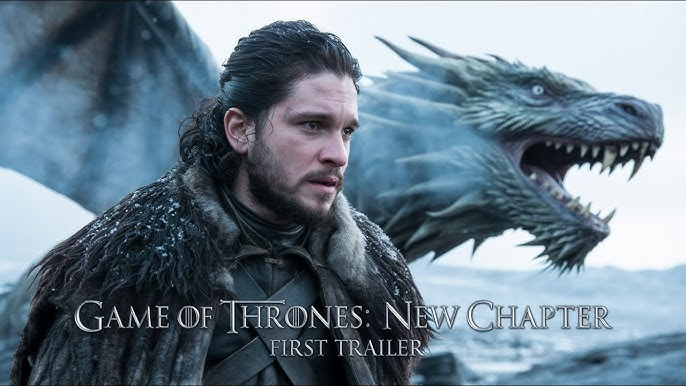
While the supporting cast remains shrouded in secrecy, hints suggest a blend of familiar and fresh faces. The ever-reliable Tormund Giantsbane returns, injecting his characteristic wit and warmth. Rumors circulate about a more mature Arya Stark making an appearance. However, the show’s primary emphasis is on creating new mythologies, venturing beyond the well-trodden paths of the original series.
The Return of Magic: Subtler, Sinister, and More Powerful
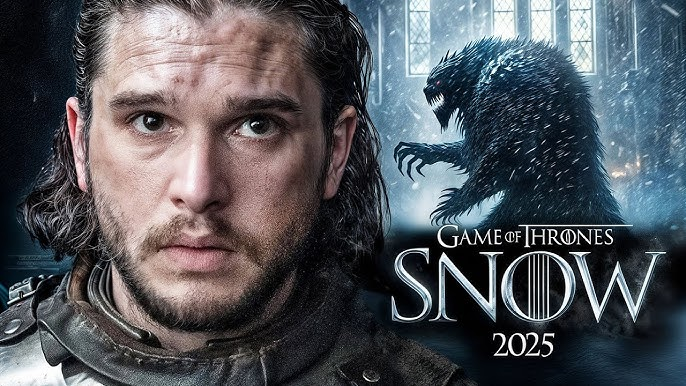
Magic is present, but its manifestation is far more subtle and sinister than the grand spectacle of dragons and White Walkers. Whispers of “Whisper-Walkers,” entities that feed on memory, permeate the narrative. An ancient, blood-red sap-dripping tree acts as a symbol of ancient power. Even the appearance of a direwolf serves not as a comforting companion, but as a chilling omen. These elements hint at a deeper, more terrifying mythology that might overshadow even the chilling threat posed by the White Walkers.
A Quest for Identity in the Frozen Wasteland
At its core, “Game of Thrones: Snow” is a deeply introspective exploration of identity. The show constantly questions: Who is Jon Snow now? A bastard? A Targaryen? A casualty of war? The series refuses to offer easy answers, portraying him not as a king, a savior, or a villain, but as a man in exile, seeking penance in the unforgiving silence of the frozen north. This internal conflict is the heart of the show, giving it a quiet yet powerful gravitas.
A Different Kind of Game
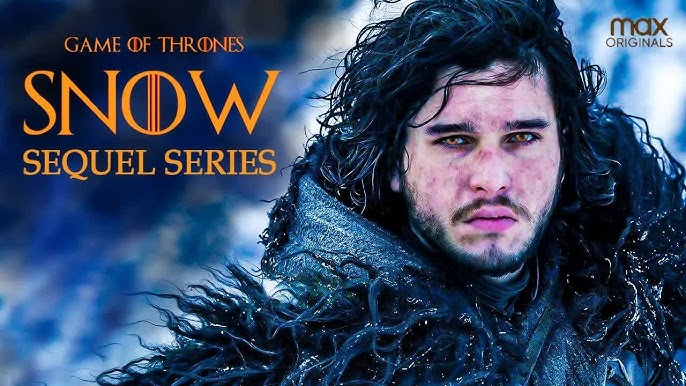
Fans expecting the explosive action and political intrigue of the original series might initially be surprised by the slower, more contemplative pace. However, for those captivated by the melancholic, mythic undercurrent of “Game of Thrones,” “Snow” promises a profoundly different experience – not a continuation, but a compelling spiritual successor. Instead of asking “Who will sit on the Iron Throne?”, “Snow” poses a far more chilling and profound question: Who are you when the war is over, and the dead still whisper your name?