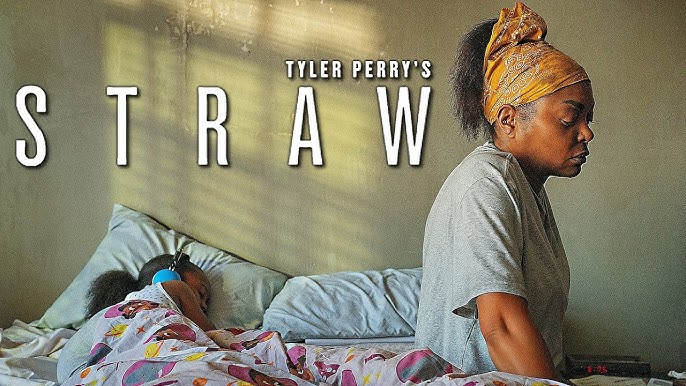
A Raw and Unflinching Look at Injustice: Tyler Perry’s “Straw”
Tyler Perry’s “Straw” marks a radical departure from his previous work. Instead of the familiar comedic tropes and heartwarming narratives, he delivers a stark, uncompromising portrayal of systemic injustice and the resilience of the human spirit. This isn’t simply a new direction for Perry; it’s a bold, even breathtaking leap into a realm of raw realism.
A Masterclass in Performance
Taraji P. Henson’s Unforgettable Portrayal
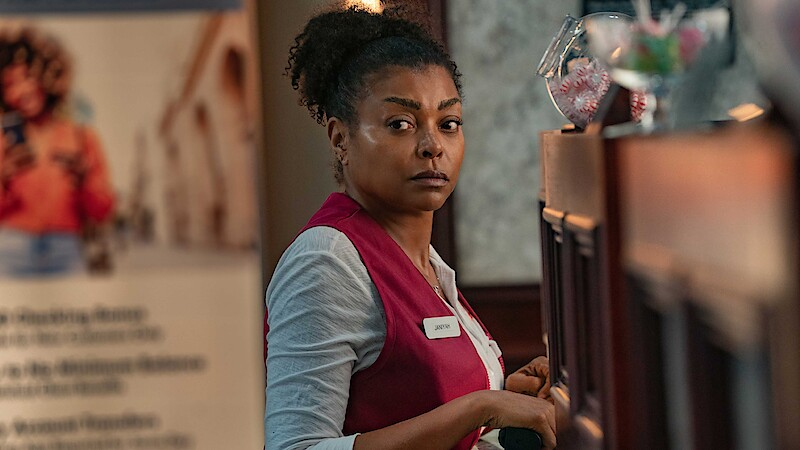
At the heart of “Straw” is Taraji P. Henson’s powerhouse performance as Janiyah Wilkinson. She doesn’t merely act; she embodies a woman teetering on the brink of collapse, overwhelmed by a cascade of devastating events. Over the course of a single, harrowing 24-hour period, we witness Janiyah’s world unravel: job loss, false accusations, a desperate search for her daughter’s vital medication, and the crushing weight of a society that refuses to listen. Henson’s portrayal is breathtaking in its subtlety, each breath conveying silent rage, profound fear, and a desperate, unwavering love.
A New Kind of Perry: Minimalism as Power
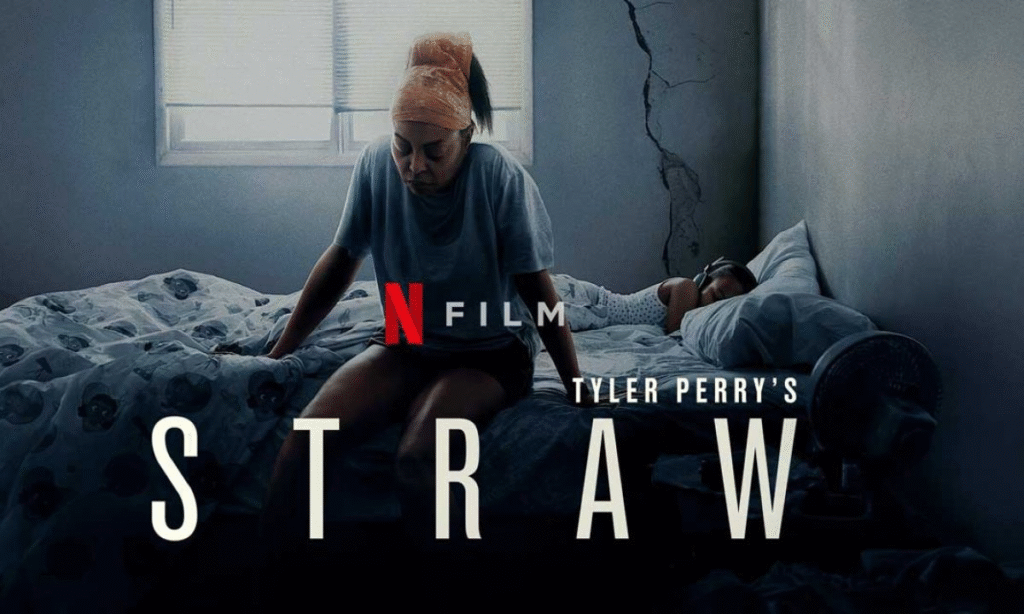
Perry’s directorial style is equally transformative. Gone are the sweeping, melodramatic gestures of his earlier films. Instead, he employs a disciplined minimalism, allowing the camera to linger on the stark details of Janiyah’s life: empty rooms, cracked phone screens, the cold glare of cheap fluorescent lights. This deliberate visual austerity isn’t a limitation; it’s a tool, sharpening the film’s focus on the devastating impact of systemic failure on those already marginalized.
Supporting Cast Elevates the Narrative
The supporting cast further enriches the film’s emotional depth. Sherri Shepherd delivers a poignant performance as a weary ER nurse, while Teyana Taylor brings a fierce energy as Janiyah’s sister, hardened by the necessity of survival. Sinbad, in one of his most serious roles, portrays a community elder whose quiet wisdom cuts through the chaos like a bolt of lightning.
More Than Just a Woman’s Struggle
“Straw” isn’t merely a story about one woman’s downfall; it’s a searing indictment of systems designed to fail the vulnerable. The film masterfully captures the insidious normalization of exhaustion and despair, highlighting the invisibility of those stripped bare of resources and hope.
A Documentary-Style Approach
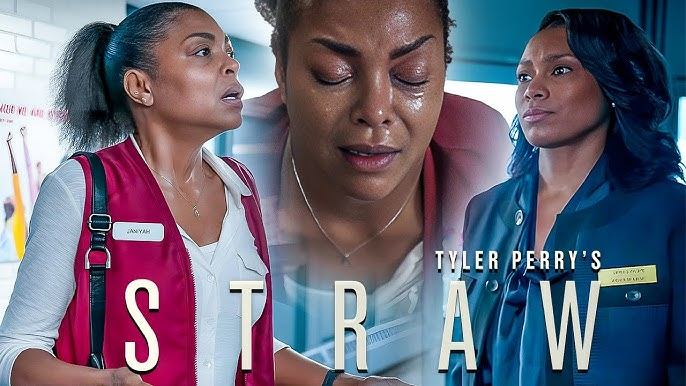
Filmed in just four days using handheld cameras, “Straw” possesses a documentary-like immediacy. This creates an almost unbearable intimacy, immersing the viewer in the harsh realities of Janiyah’s experiences: the chill of a night bus, the accusatory glare of a courtroom, the cold indifference of bureaucratic processes. Every frame is imbued with brutal honesty.
A Revolt in Silence
Despite its unflinching portrayal of suffering, “Straw” isn’t a tragedy; it’s a quiet act of rebellion. Beneath the surface of heartbreak lies a current of resistance, subtle yet undeniable. Janiyah may be broken, but she’s not defeated. Her simple act of standing at the end, facing the dawn, becomes the film’s most powerful statement.

Spare Script, Powerful Impact
The screenplay is remarkably economical, utilizing silences that speak volumes. Perry’s social commentary is woven seamlessly into the dialogue, revealing the pervasive racism, classism, and systemic neglect embedded in everyday interactions. The understated nature of the storytelling is precisely what makes its impact so profound.
A Film That Stays With You
“Straw” isn’t easy viewing, and it’s not meant to be. It’s a film that demands your attention, challenges your complacency, and dares you to look away. But those who persevere will find not only pain, but also unexpected strength; not only anger, but a hard-won clarity. Perry has crafted a vital work, a modern-day parable of injustice set against the forgotten corners of America. A film that will stay with you long after the credits roll.
(Watch movie: [Link to Partner Site])